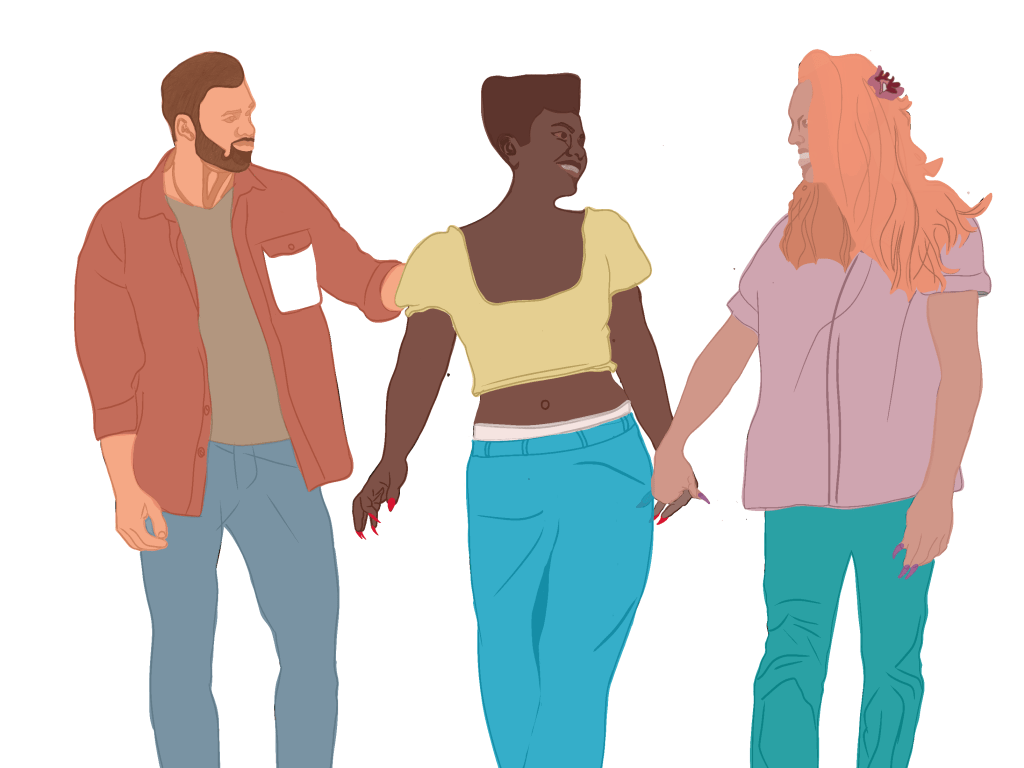
YOU ARE OKAY.
If you’re a man who loves other men, you’re okay!
If you’re a woman who loves other women, you’re okay!
If you were a born female, and feel like a man, you’re okay!
If you were a born male, and feel like a woman, you’re okay!
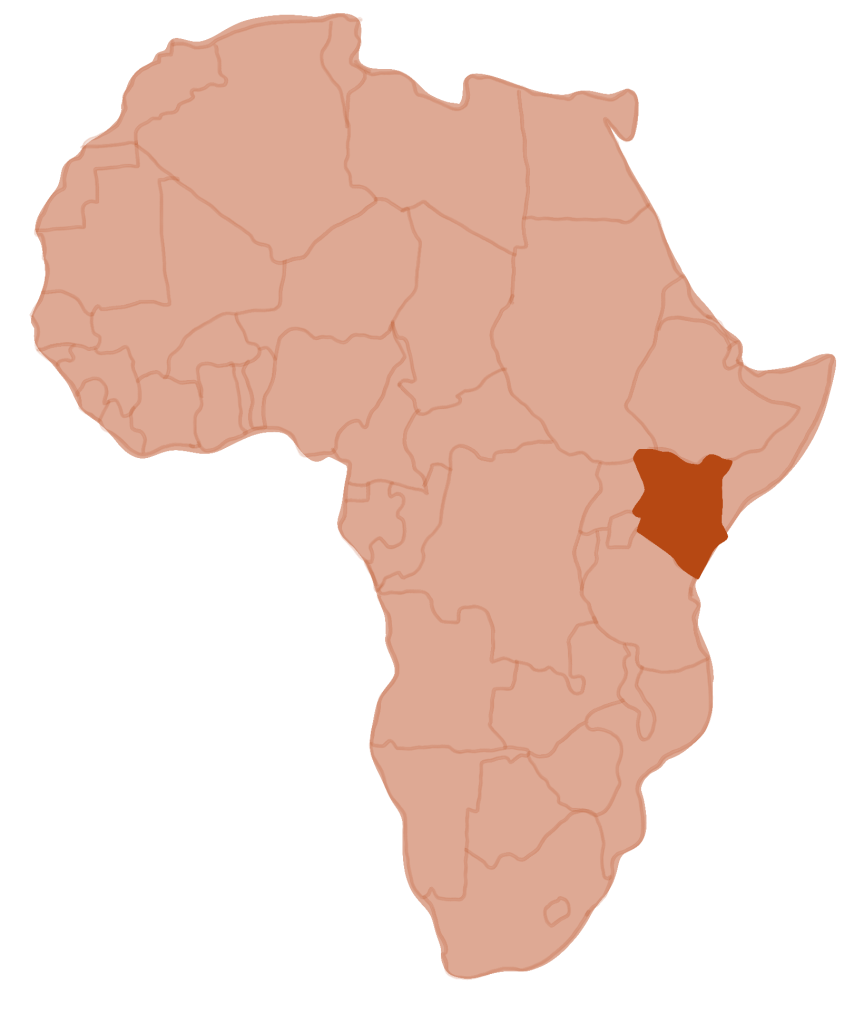
Across the world and in many countries in Africa, including Kenya, there is a lot of misunderstanding and hate against LGBT+ people.
In our homes, in our towns and especially on the internet there are a lot of lies about gay, lesbian, bisexual and transgender people. This harms and traumatizes many LGBT+ people and makes some people hateful towards us. But right here, on this website, we (a group of gay, lesbian, bi, and trans people) are here to change that. We’re okay! And so are you!
We have put information together to show you that being LGBT+ is okay and to answer the questions you or your friends and relatives might have.
What is LGBT+?
The word for men who love other men is Gay, and the word for women who love other women is Lesbian. People who love both men and women are called Bisexual. And people who don’t feel like the gender they were assigned at birth are called Transgender. Together, this is often written as LGBT.
LGBT stands for Lesbian, Gay, Bisexual and Transgender. Sometimes a ‘+’ sign is added to represent other orientations and identities.
“Conversion practices” are harmful and they are not supported by reputable doctors and therapists.”
You deserve to be respected and loved for who you are. Remember that everyone has the right to be who they are. Some people may try to convince you to change, but your identity is unique and valuable. No one should try and change who you are. Being LGBT+ is a natural and wonderful part of who you are. It’s important to love and accept yourself just as you are. Trying to change who you are and who you love can be harmful and isn’t necessary. Embrace your true self and surround yourself with people who love and support you for who you are.
Sometimes the people around us try to pray for us because they think being LGBT+ is wrong. Some of us are taken to the hospital or isolated in a camp to be changed.
These practices are sometimes called “conversion practices” or “gay cure therapy”, and they are wrong! Being forced to try to change (it never actually works!) can make LGBT+ people very sad, anxious, and can make us feel bad about ourselves. “Conversion practices” are harmful and are not supported by reputable doctors and therapists.
What are some ways that harmful “conversion practices” happen?
“Conversion practices” can be done in a few ways that can include emotional and physical violence and it might not always be obvious. Some common methods include:
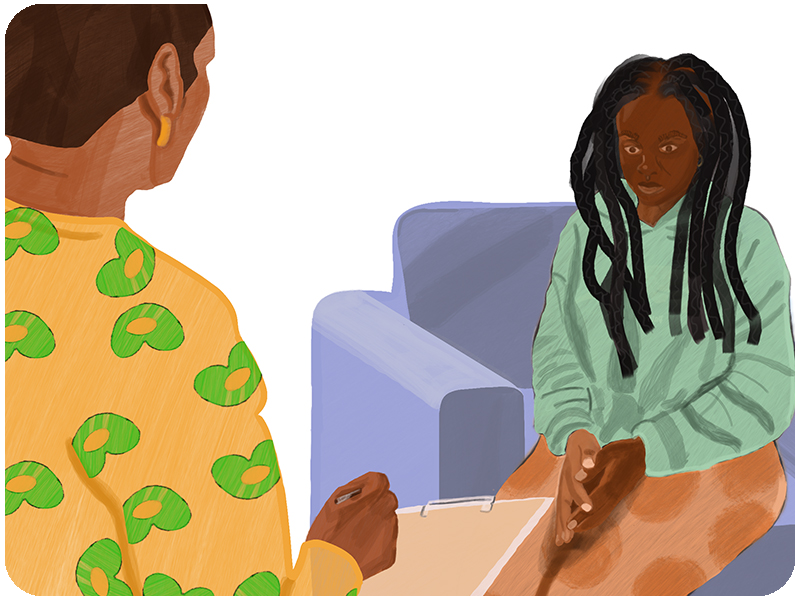
Being taken to a therapist who says they can change who you love or who you are.
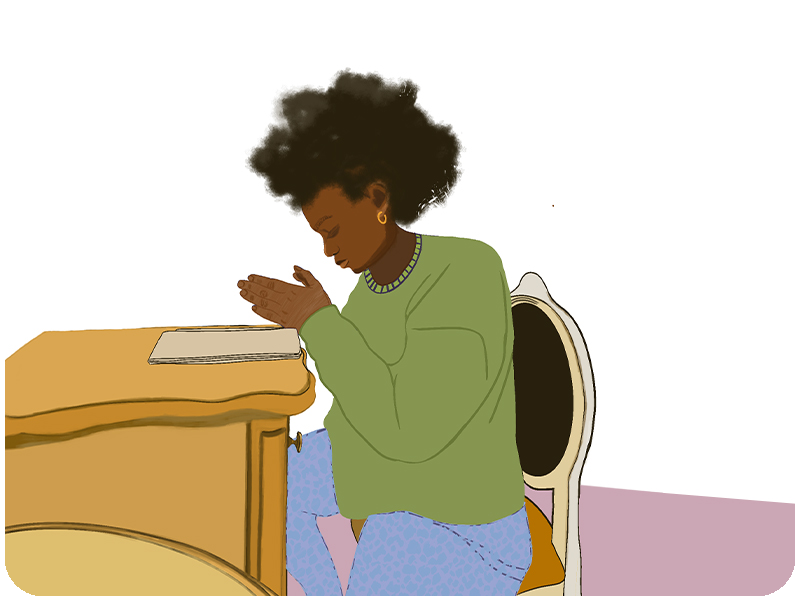
Being prayed for at home, in a religious place or at a camp, where you are also isolated, so that you stop being who you are.
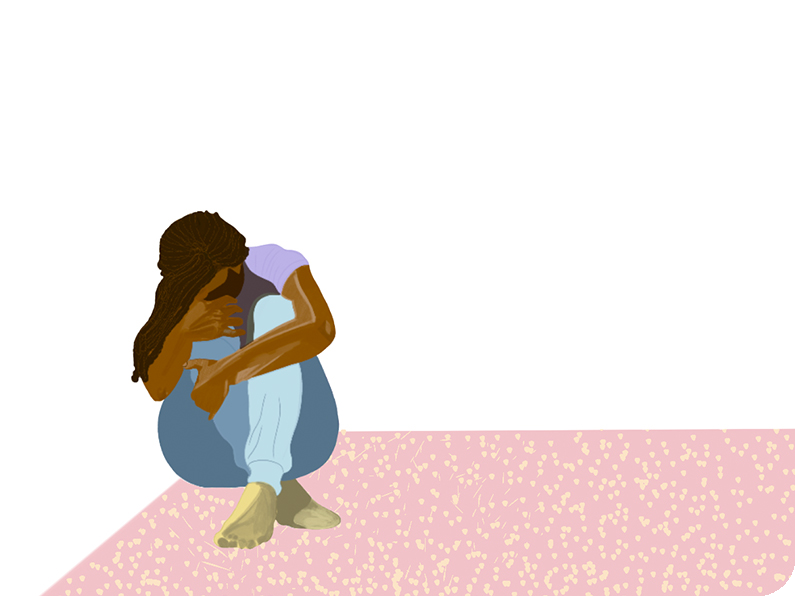
Being punished for being who you are either by being electroshocked, beaten, denied food, or other basic needs.
Why are “conversion practices” harmful?
Most medical and mental health organizations in the world have strongly rejected “conversion practices.” They are really dangerous because:
They are not supported by science. Science has shown that LGBT+ people are NOT sick and cannot be changed.
People who undergo “conversion practices” often suffer from depression, anxiety, substance abuse, and suicidal thoughts.
The effects of going through “conversion practices” can last very long, and make it difficult for survivors to have healthy self-esteem, trust people, or build relationships.
Children and teenagers are especially vulnerable to efforts to change who they are.
What can you do if you need help?

Please remember that being LGBT+ is okay. It’s important to love and accept yourself just as you are.

Reach out to organizations that support LGBT+ people without trying to change them.

Continue learning about yourself and people like you. We have more information below that you can start reading.
Questions You May Have
Is being LGBT+ a sin?
No, your identity doesn’t make you a sinner. People feel differently about this based on their religious beliefs.
Unfortunately, many religious leaders hold negative views about LGBT+ people. They say we are sinful, claim that we want to destroy families and even blame us for disasters like floods or droughts. None of these things are true. LGBT+ people are just as worthy of love and respect as everyone else. We are valid members of our families, churches, and society.
And many religious groups and leaders support LGBT+ people. Several religious groups believe that love, kindness, and respect are key to their teachings and welcome us as important members of their congregations.
Desmond Tutu, the late Archbishop of Cape Town, declared after the end of apartheid in 1994, the fight against homophobia to be the next priority in the quest for justice in South Africa. He argued that hatred against LGBT+ people was a “crime against humanity.”
And the Ugandan Anglican Bishop Christopher Senyonjo fought for the rights of LGBT+ people and said “you shouldn’t hurt people, you shouldn’t punish people for being who they are.”
Being religious and LGBT+ can go hand in hand, and many people successfully balance both their faith and their identity.
If someone I care about is LGBT+, what should I do?
The most important thing you can do is to support and accept your child, sibling, relative or friend. Here are things you can do to ensure the person you care about feels loved, safe, and respected:
You can show unconditional love and support
Let them know that you love them no matter what, and that your love isn’t affected by who they are. Show them through your words and actions that you accept them completely, and that who they are doesn’t change your relationship with them.
You can listen to their experiences
Create a space where they feel comfortable sharing their thoughts and feelings. Listen to them without interrupting or jumping to conclusions. This shows that you respect their views and are ready to support them.
You can educate yourself about LGBT+ issues
Take time to learn about LGBT+ identities and experiences. Understanding what they are going through will help you support them better.
You can support their mental and emotional health
Encourage them to talk about their feelings and experiences. If they need it, help them find mental health professionals who are supportive and understand LGBT+ issues. Positive counseling can help them work through any challenges they might be facing.
You can stand up against discrimination
If they are being bullied or treated unfairly, stand up for them. This includes defending them and helping to make their school, community, and family groups more welcoming.
You can celebrate who they are
Celebrate who they are and the important moments in their life. Showing your support in real, meaningful ways can bring you closer together.
Respect their journey
While celebrating a person who has fully accepted themselves, it can be tempting to want to share this news with more people. While you might do this in good faith, understand that it’s their story to tell. Sharing their story might put them in harm’s way or cause them to feel uncomfortable.
 YOU ARE OKAY | UKO SAWA